Our products
Linden (lime) honey
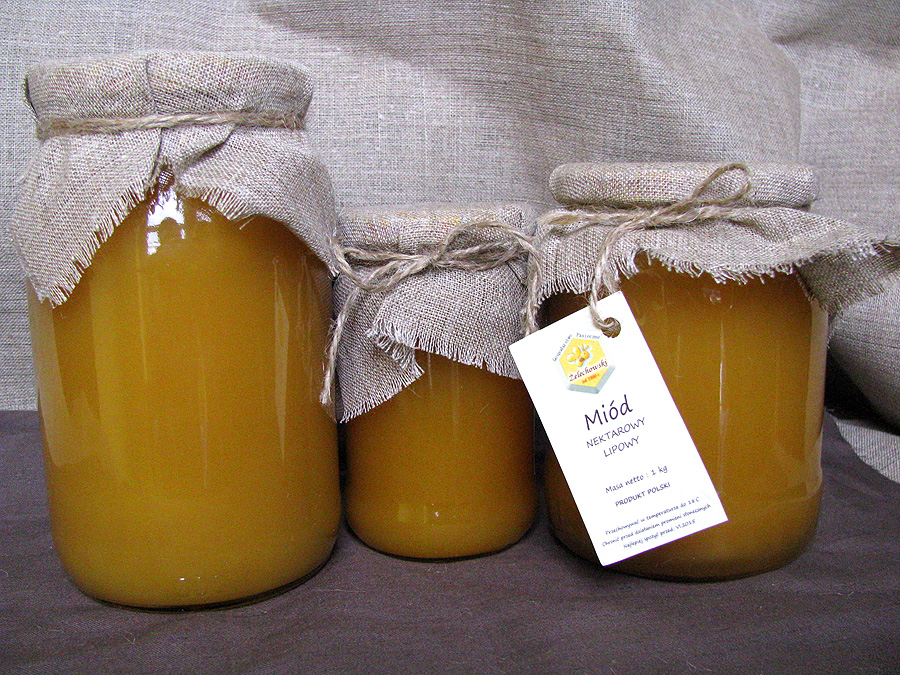
Liquid colour ranges from yellow to greenish; later harvests are usually darker. Distinct linden aroma, bold flavour with a light bitterness.
Traditional uses:
- Respiratory support: coughs, bronchitis and cold symptoms
- Calming and antiseptic properties
- Heart and circulation support with mild diuretic effect
- Anxiety, restlessness and sleep support
- Often taken in linden tea, with lemon or warm milk
Acacia honey
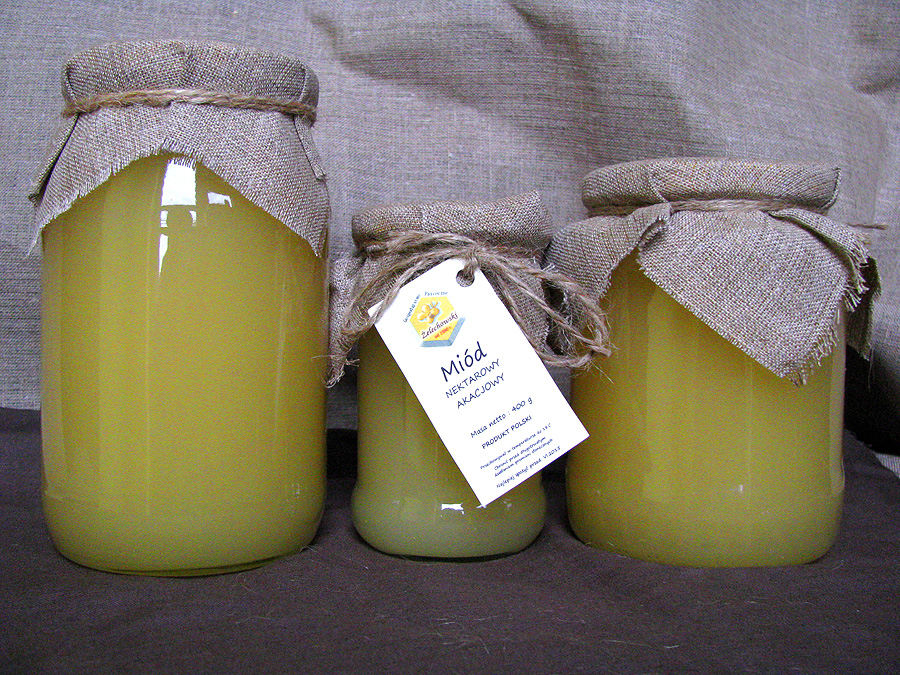
Pale straw colour and very mild aroma; known for slow crystallization and naturally sweet taste. Considered the mildest and sweetest of honeys.
Traditional uses:
- Gentle option for those with mild diabetes (non-insulin dependent)
- Digestive support: stomach and intestinal health
- Upper respiratory tract inflammation
- Kidney and urinary system support
- Calming and strengthening properties for fatigue and exhaustion
- Skin applications for wound healing
Rapeseed (canola) honey
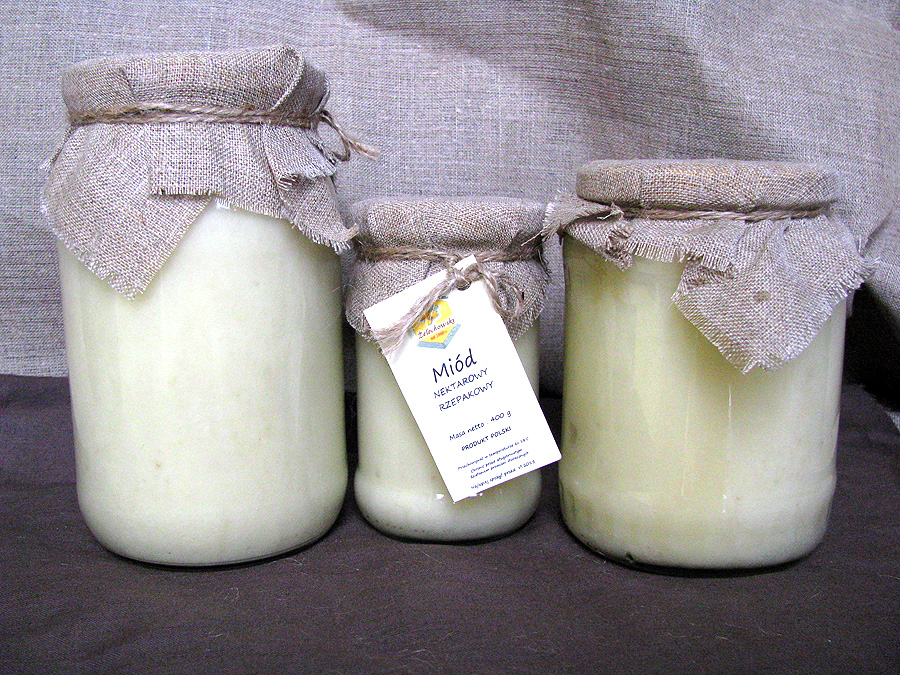
Light straw colour when liquid; turns white/creamy when crystallized. Very sweet, with a characteristic rapeseed aroma. High in glucose and amino acids.
Traditional uses:
- Respiratory health: lung conditions, throat and nasal inflammation
- Digestive support for constipation
- Kidney and urinary tract health
- Heart and coronary circulation support
- Liver and bile duct health (easily digestible)
- Recovery nutrition for physical and mental exhaustion
- External wound healing and burn protection
Wildflower honey
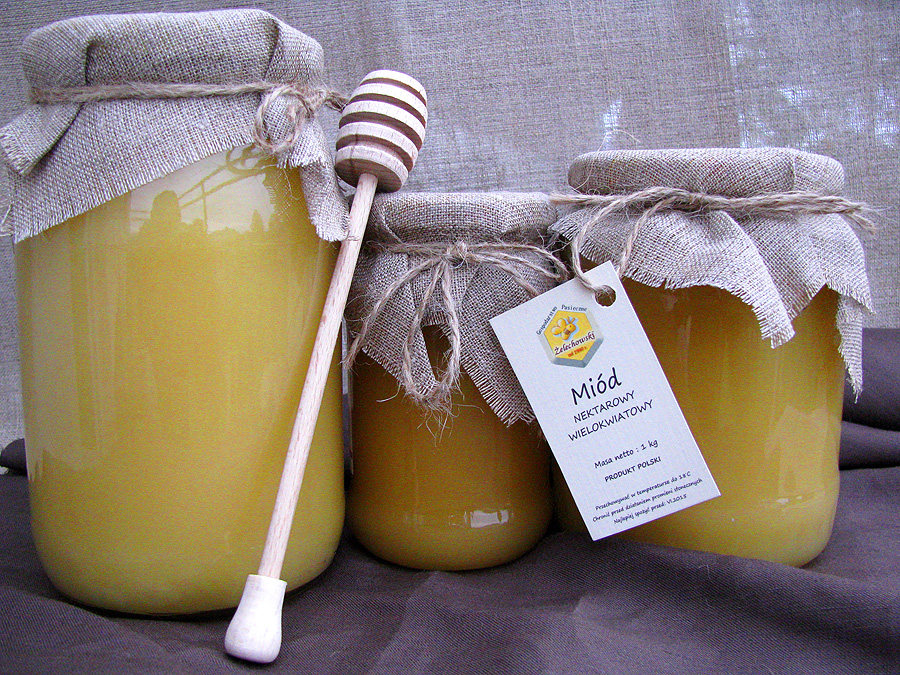
Varies in colour and flavour depending on the flowers visited by the bees; generally mild and sweet. We also offer Forest Wildflower from our woodland apiary.
Traditional uses:
- Respiratory allergies and hay fever support
- Heart health properties
- Cold and flu prevention and treatment
- Liver detoxification support
- Lower respiratory tract health
- Versatile everyday honey for drinks, baking and spreads
Propolis (bee glue)
A sticky resinous substance that varies in colour from brown to green, orange or even black. Bees use propolis as a disinfectant in the hive and to seal cracks. They collect tree resins from bark and buds, especially from poplar, birch, chestnut, willow, cherry and plum trees. Propolis contains around 100 compounds including resins, phenols, essential oils, waxes, flavonoids, enzymes, vitamins and trace elements.
Traditional uses:
- Natural antimicrobial properties
- Oral health: mouth, throat and gum care
- Skin applications: minor cuts, burns and irritations
- Digestive support
Propolis is hard and brittle at 15°C, soft and pliable at 35°C. It dissolves well in ethyl
alcohol to make propolis tincture (EEP). Can also be mixed with petroleum jelly for topical use.
Note for allergy sufferers: consult a doctor before use.
Bee pollen
Bees collect not only nectar but also pollen from flowers. This protein source is essential for colony development. Bees form pollen into pellets on their legs; each pair weighs 12–20mg. Pollen colour varies depending on the flowers visited.
Nutritional profile: Contains proteins, amino acids, vitamins (A, B‑complex, C, E, D, K), minerals (Mg, Fe, Cu, Zn, Ca, P, K) and enzymes. Rich in antioxidants and considered a complete food supplement. 60g provides significant daily vitamin requirements.
Traditional uses:
- Energy and vitality support
- Digestive health and appetite
- Immune system support
- Recovery and convalescence
- Skin and hair health
- Cardiovascular support
Note for allergy sufferers: consult a doctor before use, especially if you have pollen allergies.
© Copyright Pasieka Żelechowski
Wszystkie prawa zastrzeżone
Wykonanie i wdrożenie: Dobre-Strony.pl